

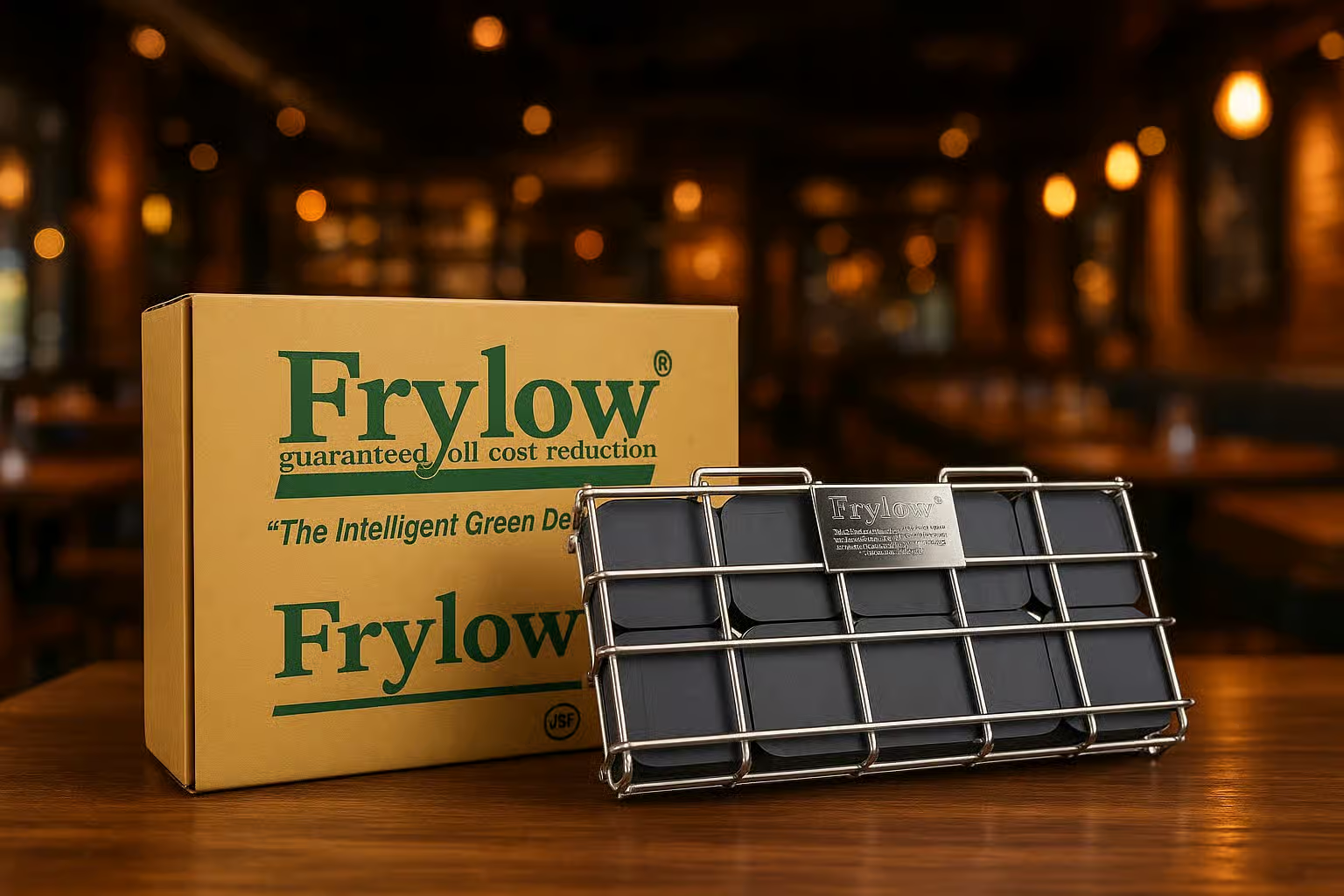
In the modern culinary landscape, sustainability and cost efficiency are not just buzzwords but essential components of a successful restaurant business. One significant area where these principles can be applied is in the management of cooking oil. By effectively utilizing restaurant oil filtration equipment, establishments can substantially reduce waste and operational costs while also promoting environmental responsibility.
Cooking oil is a vital ingredient in many restaurants, particularly those that specialize in fried foods. However, it also represents a considerable expense due to its frequent replacement needs. Traditionally, used cooking oil was discarded after several uses because contaminants like food particles and carbonized debris degrade its quality over time. This practice leads to excessive waste and unnecessary expenses as fresh oil must constantly be purchased.
The introduction of advanced oil filtration systems has revolutionized this aspect of kitchen operations. These systems work by removing impurities from the used oil, thereby extending its usable life significantly. By filtering out debris and maintaining optimal frying conditions, restaurants can use their cooking oil for longer periods without compromising on taste or safety standards.
One of the primary benefits of using effective filtration equipment is cost reduction. Extending the life of cooking oil means fewer purchases are necessary over time, which directly translates into financial savings. Furthermore, reducing the frequency with which new supplies are needed minimizes logistical expenses associated with ordering and delivery.
Beyond financial considerations, there are substantial environmental benefits to consider as well. Reducing waste through efficient filtration contributes to less strain on disposal systems and decreases overall environmental impact. Used cooking oils often end up in landfills or contribute to water pollution if not disposed of correctly; thus, minimizing waste helps mitigate these issues significantly.
Moreover, many modern filtration systems are designed with energy efficiency in mind. They require less power than older models while delivering superior performance—further aligning with sustainable practices by conserving resources at every opportunity.
Effective training for staff on how to operate these systems is crucial for maximizing their potential benefits. Employees should understand how proper maintenance routines ensure optimal performance and longevity for both the equipment itself and the filtered product it produces.
In conclusion, incorporating restaurant oil filtration equipment into regular kitchen operations offers multiple advantages that align perfectly with contemporary demands for sustainability and economic prudence within the hospitality industry framework today’s consumers value eco-conscious businesses more than ever before making this investment not only practical but potentially profitable too! By embracing such technologies restaurants demonstrate commitment towards creating greener future whilst simultaneously enhancing bottom line results through strategic resource management initiatives like never before seen possible until now thanks largely due technological advancements made available recent years alone truly remarkable indeed!
